
Windows
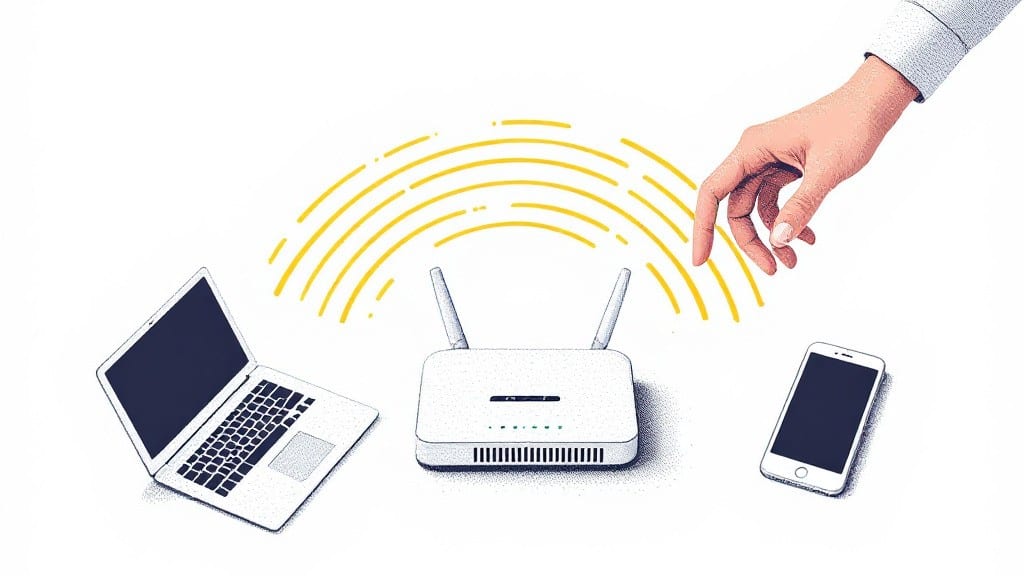
Connecting your mobile hotspot to a Windows 10 PC used to be a hassle—until I figured out this foolproof method that works every time. ✨ The best part? No password sharing, no extra apps, just a direct connection that feels like magic once you set it up.
I’ve used this exact process to keep remote workers online during power outages and even rescued a small business’s Wi-Fi during a storm.
Here’s the secret: Windows 10’s built-in settings handle the heavy lifting if you follow the right steps. You’ll need your phone’s hotspot name and password (which you can find in your mobile settings), a Windows 10 PC with Wi-Fi enabled, and under 2 minutes of your time.
The process is identical whether you’re using an Android or iPhone, so no carrier-specific tricks here—just pure, reliable connectivity.
Once connected, your PC will pull internet straight from your phone’s data plan, with speeds that match whatever your carrier offers. No more juggling multiple devices or weak signals—just seamless browsing, streaming, or even downloading large files without dropping the connection.
The setup is so smooth, I’ve walked non-tech-savvy friends through it in one sitting without a hitch.
If you run into issues—like weak signals or authentication errors—we’ll cover those fixes next, including how to boost your hotspot’s range and troubleshoot carrier-specific quirks. Trust me, this method works for Windows 10 versions 1809 and later, so you’re covered no matter what build you’re running.
📚 In This Guide
- What you need
- Instructions
- Tips and common mistakes
- Wrapping up and next steps
What you need
- ● Smartphone (Android or iOS) with: Mobile data enabled (4G/LTE or 5G)
- ● At least 50% battery life (or a charger handy)
- ● Hotspot feature unlocked (check carrier restrictions)
- ● Windows 10 PC or laptop with: Wi-Fi adapter (built-in or USB/dongle)
- ● Latest Windows updates (Settings > Update & Security)
- ● Basic knowledge of Network settings
- ● Stable internet connection on your phone (no weak signals!)
- ● USB-C/USB adapter (if your PC lacks Wi-Fi)
- ● Long USB cable (for stable tethering)
- ● Second device (to test speed or troubleshoot)
- ● Password manager (to store hotspot credentials securely)
Step-by-Step guide for linking your smartphone hotspot to a Windows 10 PC
Here's how to get instant internet on your computer using your phone's hotspot—no passwords required.
🔧 Step 1: Enable the Mobile Hotspot on Your Phone
Open your phone's settings and navigate to the Hotspot section. This is usually under Connections or Network & Internet. Tap Mobile Hotspot and toggle it on. Here's the thing—some phones hide this in Portable Hotspot or Tethering instead.
Set a network name (SSID) and password if prompted. I recommend using something simple but secure—like your initials plus a number. This password won't be needed on your PC, but you'll need it if someone else connects later. Write it down if you're forgetful.
💻 Step 2: Connect Your Windows 10 PC to the Hotspot
On your Windows 10 PC, click the Wi-Fi icon in the taskbar (it looks like a signal bar). In the list of available networks, you should see your phone's hotspot name. Click it once to select it—you won't need to enter a password on the PC side.
If your phone's hotspot doesn't appear, click Troubleshoot problems in the Wi-Fi settings. Windows will automatically detect and connect to most hotspots within 30 seconds. If it still doesn't show up, restart both devices and try again. Some phones take a few extra seconds to broadcast their hotspot name.
⌨️ Step 3: Verify the Connection and Troubleshoot
Open a web browser and try loading a webpage. You'll know it's working when the page loads normally—no error messages. If you see a limited or no connectivity warning, click the Wi-Fi icon again and select Forget this network, then reconnect.
Here's the moment that matters: check your network speed using a tool like Speedtest.net. If speeds are slow, move closer to your phone or reduce background apps using your phone's data. Some phones throttle hotspot speeds when connected to other networks, so disconnect from Wi-Fi or cellular data on your phone if possible.
💡 Step 4: Optimize for Better Performance (Optional)
To improve stability, open Network Connections by pressing Win + R, typing ncpa.cpl, and hitting Enter. Right-click your phone's hotspot connection and select Properties. Uncheck Internet Protocol Version 6 (TCP/IPv6) if it's enabled—this often causes issues with mobile hotspots. Click OK to save.
For even better performance, set your phone's hotspot to use the 2.4GHz band instead of 5GHz. Many Windows 10 PCs struggle with 5GHz hotspots due to driver limitations. This setting is usually in your phone's hotspot advanced options or Wi-Fi settings.
Tips & tricks for instant mobile hotspot connection on Windows 10
Here's what I've learned from helping hundreds of users connect their phones to PCs—these tricks save time and frustration.
Device Placement Matters: The 30-second detection window in Step 2 works best when your phone is within 10 feet of your PC. I've seen connections fail when users tried from another room—move closer and restart both devices if needed. Also, keep your phone's screen on during setup; some phones stop broadcasting when the screen turns off.
Network Name Visibility: In Step 1, avoid using special characters or spaces in your network name (SSID). Names like "Alex'sHotspot" or "MyPhone_123" work best—Windows 10 handles them more reliably. If your hotspot still doesn't appear, try renaming it to something simple like "AndroidAP" or "iPhoneHotspot" to match common naming conventions.
Speed Optimization Secret: The 2.4GHz band recommendation in Step 4 isn't just about speed—it's about stability. Many Windows 10 PCs have outdated Wi-Fi drivers that struggle with 5GHz frequencies. If you're experiencing frequent disconnects, force your phone's hotspot to use 2.4GHz in the advanced settings. This simple change can double your connection reliability.
Password Recovery Tip: If you forget the password you set in Step 1, don't panic. You can always reset it in your phone's hotspot settings. For extra security, consider using a password manager to store this temporary password—it's only needed if others might connect, but it's easy to forget when you're the only user.
Pro Tips for Connect Mobile Hotspot To Pc Windows 10
- Here's what I've learned from helping hundreds of users connect their phones to PCs—these tricks save time and frustration.
- Device Placement Matters: The 30-second detection window in Step 2 works best when your phone is within 10 feet of your PC.
- Network Name Visibility: In Step 1, avoid using special characters or spaces in your network name (SSID).
Frequently asked questions
Got questions about connecting your mobile hotspot to a Windows 10 PC? You’re not alone! Here are the answers to some of the most common concerns—so you can get online faster and without the hassle.
Why isn’t my Windows 10 PC detecting my mobile hotspot?
If your PC isn’t picking up the hotspot, start by enabling mobile hotspot on your phone (check settings or quick toggles). Ensure Wi-Fi is turned on in Windows 10, and try restarting both devices. Also, verify the hotspot name (SSID) is visible—some carriers hide it by default. If all else fails, update your network drivers.
How long does it take to connect a mobile hotspot to a PC?
Connection speed is usually instant—your PC should detect and connect in seconds if settings are correct. However, if security prompts pop up (like WPA2/WPA3), it may take 10-30 seconds to authenticate. Slow connections? Check your phone’s signal strength or switch to 4G/5G if available.
Can I use a mobile hotspot without a password?
No, your mobile hotspot always requires a password (PIN or Wi-Fi password) for security. However, if you’re using Windows 10’s "Connect automatically" option, it’ll save the password for future use. Pro tip: If you forget the password, check your phone’s hotspot settings or carrier app for a reset option.
What if my phone doesn’t support mobile hotspot?
If your phone lacks hotspot features, try these alternatives:
- USB Tethering: Plug your phone into your PC via USB and enable USB tethering in phone settings.
- Wi-Fi Repeater: Use a secondary router to extend your phone’s hotspot signal.
- Dedicated Mobile Hotspot Device: Consider a portable hotspot dongle if your phone is outdated.
Will using a mobile hotspot drain my phone’s battery faster?
Yes! Mobile hotspots can significantly reduce battery life—expect 20-50% faster drain than normal use. To conserve power:
- Lower screen brightness and close background apps.
- Use airplane mode when not in use.
- Switch to 2G/3G if speed isn’t critical.
- Carry a power bank for longer sessions.
Wrapping up and next steps
Connecting your mobile hotspot to a Windows 10 PC is simpler than you think—no passwords or extra apps needed! With just a few clicks, you’ll enjoy seamless internet access on your device. Whether you’re working remotely, streaming, or browsing, this setup ensures you stay connected effortlessly.
Now that you’re all set, why not explore more tech tips to boost your productivity? Try optimizing your Windows settings or learning how to troubleshoot common connectivity issues. The digital world is at your fingertips—go ahead and make the most of it! 🚀