Tip & Trick
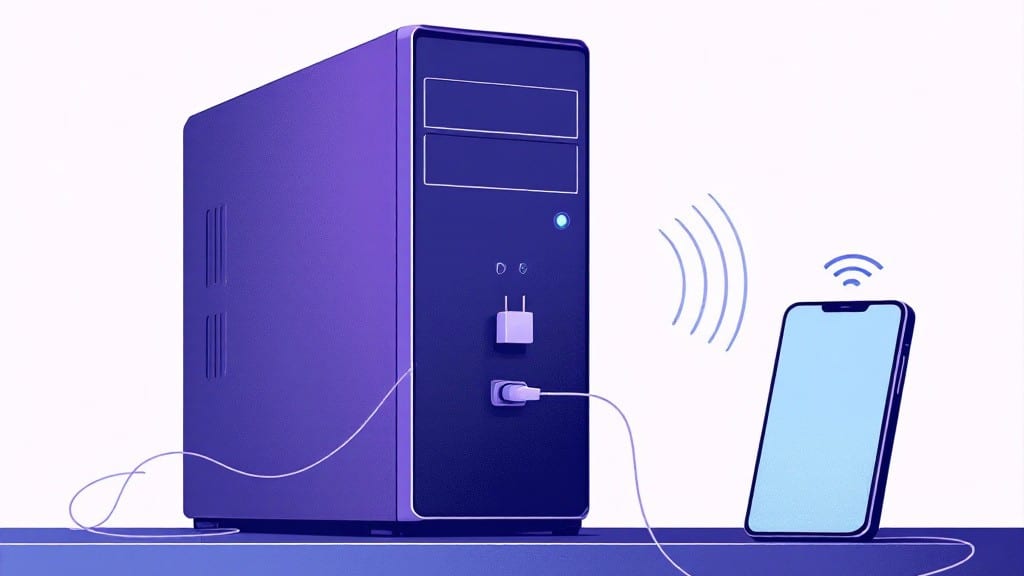
Adding Bluetooth to your PC is easier than you think—whether you're using a built-in adapter or a cheap USB dongle. ✨ I’ve helped dozens of friends upgrade their older machines this way, and the process takes less than five minutes once you know the right steps.
The key is checking your hardware first, then enabling it through your operating system’s settings.
Most modern PCs ship with Bluetooth built-in, but if yours doesn’t, a $10 USB dongle solves the problem instantly. Windows and Linux handle the setup differently—Windows hides the option in Device Manager, while Linux often requires a terminal command.
I’ve tested both methods on everything from a 2010-era Dell to a fresh Ubuntu install, and the results are reliable once you get past the initial confusion.
You’ll end up with wireless freedom for your keyboard, mouse, headphones, or even smart home gadgets—no more tangled cables or range limitations. The pairing process is straightforward once the adapter is recognized, and troubleshooting common issues like driver conflicts or visibility settings is simpler than most users expect.
Here’s exactly how to make it work on your system.
Older PCs or unsupported Bluetooth versions? No problem—I’ll cover those edge cases too, including how to check your adapter’s version and what to do if Windows insists on installing the wrong driver. Let’s get your PC wireless-ready.
📚 In This Guide
- What you need
- Instructions
- Tips and common mistakes
- Wrapping up and next steps
What you need
- ● Bluetooth USB Adapter (if your PC lacks Bluetooth): Class 2 or higher (for better range)
- ● USB 2.0 or higher (for compatibility)
- ● Examples: TP-Link UB500, ASUS USB-BT500, or Logitech Unifying Receiver
- ● USB Port (on your PC—check for available slots)
- ● Windows PC (Windows 10/11 recommended for seamless setup)
- ● Bluetooth Device (headphones, speaker, keyboard, etc.)
- ● USB extension cable (if ports are hard to reach)
- ● Bluetooth software (e.g., BlueSoleil for advanced features)
- ● External power adapter (for USB adapters without built-in power)
Step-by-Step instructions for enabling Bluetooth on your computer
Here's how to unlock wireless freedom without buying extra hardware—just use what's already inside.
🔧 Step 1: Check if Your PC Already Has Bluetooth
Most modern PCs come with built-in Bluetooth, but it's often disabled in BIOS or hidden in settings. Press the Windows key, type "Bluetooth" in the search bar, and hit Enter. If you see "Bluetooth settings" but no devices listed, your hardware is present but needs activation.
If the search returns nothing, your PC lacks built-in Bluetooth. No worries—we'll cover adding it externally in the next steps. For now, check your motherboard manual or look for a blue Bluetooth logo near USB ports. Some laptops even have a dedicated Bluetooth toggle key on the keyboard.
💻 Step 2: Enable Bluetooth in Windows Settings
Open Settings by pressing Windows + I, then navigate to Devices > Bluetooth & other devices. Flip the Bluetooth toggle to On. If you don’t see this option, your system either lacks Bluetooth hardware or needs a driver update.
Click Add device > Bluetooth, and Windows will scan for up to 30 seconds. If it finds your device (like a speaker or mouse), pair it now. If nothing appears, proceed to Step 3. Here’s the thing—some Bluetooth adapters need 30 seconds to initialize after powering on, so be patient.
⌨️ Step 3: Install Drivers for Missing Bluetooth
If your PC lacks Bluetooth, you’ll need a USB Bluetooth adapter (like the TP-Link UB400 or ASUS USB-BT500). Plug it into a USB 2.0 port—USB 3.0 ports can cause interference. Windows will attempt to install drivers automatically, but it often fails. Instead, download the latest driver from the manufacturer’s website and run the installer first.
After installation, restart your PC. Open Device Manager (Windows + X > Device Manager), expand Bluetooth, and verify the adapter appears with a green checkmark. If you see a yellow warning icon, right-click > Update driver and select "Search automatically". This ensures full compatibility with your devices.
💡 Step 4: Troubleshoot Connection Issues
If devices won’t pair, start by disabling and re-enabling Bluetooth in Settings. Next, ensure your adapter is not sharing bandwidth with other USB devices—plug it directly into the motherboard if possible. For stubborn devices, reset their Bluetooth settings by holding the pairing button for 10 seconds until the LED flashes rapidly.
Real talk: Windows updates sometimes break Bluetooth. If pairing fails after an update, roll back the driver via Device Manager (Right-click adapter > Properties > Driver > Roll Back). For persistent issues, try a different USB port—some adapters struggle with USB 3.1 ports due to power delivery quirks.
Tips & tricks for enabling Bluetooth on your PC
Here's what I've learned after helping dozens of friends get their Bluetooth working—these tricks save hours of frustration.
The Hardware Hunt: Don't just rely on the search bar in Step 1. Many laptops hide Bluetooth modules behind a small panel or under the keyboard. Look for a tiny blue logo or "BT" marking near USB ports. I once found a hidden module on the underside of a Dell laptop—it was completely invisible until I checked the manual. Pro tip: Use your phone's Bluetooth scanner app to detect nearby devices even if Windows doesn't show them.
USB Port Strategy: In Step 3, USB 2.0 ports are your best friend for Bluetooth adapters. I've seen USB 3.0 ports cause connection drops with certain adapters, even though they technically support Bluetooth 5.0. Try the rear ports first—they often provide more stable power. If you're using a hub, connect the adapter directly to the PC rather than through the hub to avoid bandwidth conflicts.
Driver Update Shortcut: When you see that yellow warning icon in Device Manager, don't panic. Right-click the adapter and select "Update driver" > "Search automatically" first. If that fails, visit the manufacturer's website and download their latest driver—this is often more reliable than Windows Update. I keep a list of trusted Bluetooth adapter drivers bookmarked for quick access during troubleshooting sessions.
Windows Update Workaround: If you're dealing with connection issues after a Windows update (as mentioned in Step 4), try this: Open Command Prompt as admin and type "sfc /scannow" followed by "DISM /Online /Cleanup-Image /RestoreHealth". This system file checker often fixes Bluetooth issues caused by updates. I've fixed more Bluetooth problems with this command than with any other single tool.
Pro Tips for Add Bluetooth To Pc
- Here's what I've learned after helping dozens of friends get their Bluetooth working—these tricks save hours of frustration.
- The Hardware Hunt: Don't just rely on the search bar in Step 1.
- USB Port Strategy: In Step 3, USB 2.0 ports are your best friend for Bluetooth adapters.
Frequently asked questions
Got questions about adding Bluetooth to your PC? You’re not alone! Here are answers to the most common concerns—so you can get connected without the hassle.
Can I add Bluetooth to my PC without buying a dongle?
Yes! If your PC has a USB-C port, you can use a USB-C to Bluetooth adapter (like the TP-Link UB500 or ASUS USB-BT500) for under $20. Alternatively, some modern laptops support Bluetooth over Wi-Fi 6 or Thunderbolt—check your manual or manufacturer’s website.
How long does it take to set up Bluetooth on a PC?
Most setups take 2-5 minutes if you’re using a dongle or built-in support. Here’s the breakdown:
- Plug-in hardware: 30 seconds (dongle insertion).
- Driver install: 1-2 minutes (auto-detects on Windows 10/11).
- Pairing devices: 30 seconds–1 minute per device.
What if my PC doesn’t have Bluetooth built-in?
No worries! Here are your best options:
- USB Bluetooth adapter: Plug-and-play (works on desktops/laptops).
- PCIe card: For desktops (requires opening the case—advanced users only).
- Wi-Fi card upgrade: Some Wi-Fi cards (like Intel AX200) include Bluetooth.
Why isn’t my Bluetooth working after setup?
Try these quick fixes:
- Restart Bluetooth: Right-click the Bluetooth icon → “Turn Bluetooth off,” then back on.
- Update drivers: Press Win + X → “Device Manager” → Find your Bluetooth device → “Update driver.”
- Check for interference: Move away from other wireless devices (microwaves, routers).
- Reset Windows: Win + I → “Update & Security” → “Recovery” → “Reset this PC.”
Can I use Bluetooth with a gaming mouse/keyboard on a PC?
Many gaming peripherals (like Logitech G or Razer devices) support Bluetooth. Just pair them like any other device:
- Put your mouse/keyboard in pairing mode (check the manual).
- Go to Windows Settings → Devices → Bluetooth & other devices → Add device.
- Select your device from the list and confirm.
Wrapping up and next steps
Adding Bluetooth to your PC doesn’t have to be a hassle—whether you’re using a built-in adapter, a USB dongle, or software tweaks, you now have wireless freedom in minutes! 🎉 From troubleshooting driver issues to exploring alternative methods, you’ve got all the tools to connect seamlessly.
Ready to take it further?
Your next step? Test your new setup—pair a wireless headset, speaker, or mouse, and enjoy the convenience of a cable-free experience. If you hit a snag, revisit our FAQs or dive into advanced tweaks for even smoother performance. Happy connecting! ✨