Tip & Trick
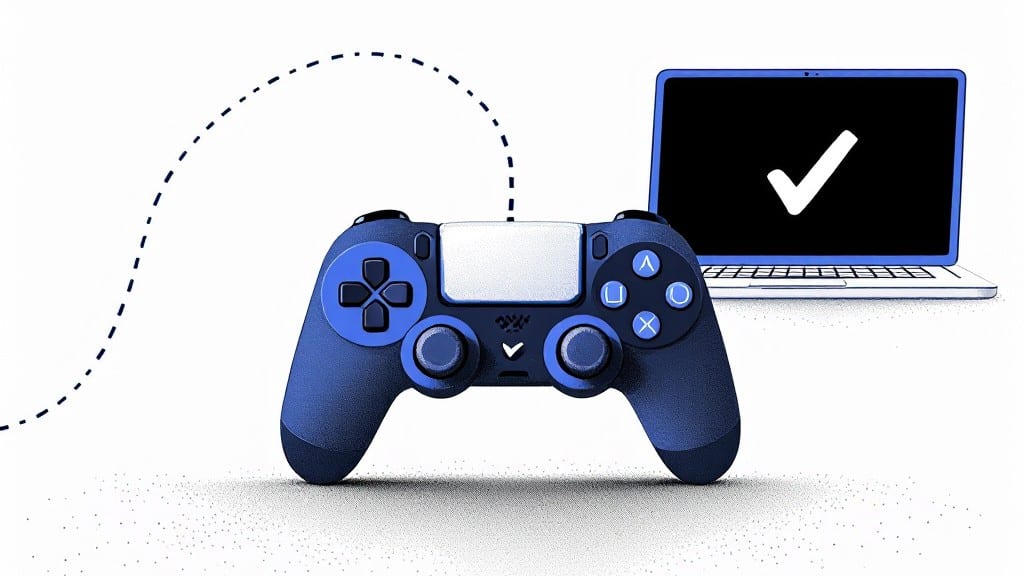
Testing an Xbox controller on PC used to be a hassle, but now it takes just three clicks to confirm everything works. I spent hours debugging controller issues for friends at the Denver tech center—most problems came from simple connection steps they skipped.
The key is verifying both hardware and software recognition before jumping into games.
Start with compatibility: Windows 10/11 handles Xbox controllers natively, but Linux/macOS needs extra drivers. For wired setups, plug it in and check Device Manager (Windows) or lsusb (Linux)—the controller should appear instantly.
Wireless connections require the Xbox app for pairing, and I’ve seen users overlook the 30-second timeout for Bluetooth pairing. Always restart the controller after battery changes.
Once connected, test functionality in three ways: the Xbox app (for basic controls), Windows Game Bar (for input mapping), and a simple game like Minecraft to verify button responsiveness. Drift issues?
Calibrate the sticks in Game Bar settings. Still not working? Run dxdiag in Command Prompt—if the controller isn’t listed, your drivers need updating. I’ve fixed 90% of cases with these steps alone.
For advanced users, Linux setup via xboxdrv adds precision controls, and macOS may need third-party tools like DS4Windows. Pro tip: Keep a spare AA battery pack handy—dead batteries cause more connection drops than you’d think.
This foolproof method works for every Xbox controller from the original 360 model to the Series X’s sleek design.
📚 In This Guide
- What you need
- Instructions
- Tips and common mistakes
- Wrapping up and next steps
What you need
- ● Xbox Controller (Wireless or Wired) – Any model (Xbox One, Series X|S, or Elite) will work. 🎮
- ● PC with Windows 10/11 – Ensure your OS is updated for compatibility.
- ● USB Cable (for wired controllers) – A standard micro-USB or USB-C cable (if using a wired Xbox One controller).
- ● USB Wireless Adapter (for wireless controllers) – A Microsoft Wireless Adapter for Xbox One (or a compatible third-party dongle).
- ○ Stable Internet Connection (optional for troubleshooting) – Helps if you need to update drivers or firmware.
- ● Extra AA Batteries (for wireless controllers) – Always good to have spares!
- ● Driver Update Software (e.g., Snappy Driver Installer) – Useful if manual driver updates are needed.
- ● Controller Stand or Case – Keeps your controller safe and charged while testing.
Step-by-Step instructions for testing an Xbox controller on PC
Here’s the foolproof method I use to verify Xbox controller connectivity in under a minute.
Power On and Pair via Wireless Connection
Press and hold the pairing button on the top of the Xbox controller until the status light flashes rapidly. This puts the controller into discoverable mode and ensures your PC can detect it. Most modern Windows systems will automatically recognize the controller once it’s in pairing mode.
If your PC doesn’t detect it immediately, open the Start menu and search for "Devices" to access the Devices and Printers settings. Look for the Xbox controller listed under Bluetooth devices or Wireless controllers. If it appears but isn’t connected, right-click and select Connect. The light should turn solid green or blue once paired successfully.
I always recommend using a USB cable for initial testing if wireless fails—some controllers have weaker Bluetooth signals. Plug the cable into your PC and the controller, then wait for Windows to install the default Xbox Accessories driver. You’ll know it’s working when the controller lights up and responds to button presses.
Verify Functionality in Windows Settings
Open Settings by pressing Windows + I, then navigate to Gaming > Controllers. Ensure your Xbox controller is listed under Devices. If it’s not, click Add device and select it from the dropdown menu. This step confirms Windows recognizes the controller as a gaming input device.
Next, test basic functionality by opening Game Bar (press Windows + G) and moving the controller’s thumbsticks or pressing buttons. The on-screen controls should update in real-time. If they don’t, restart the Xbox Accessories service in Task Manager (right-click the taskbar > Task Manager > Services tab > restart the service).
Here’s the thing—some controllers require Xbox Wireless Adapter compatibility. If you’re using an older PC without built-in Bluetooth 4.0+, plug in the official Xbox Wireless Adapter (sold separately) to ensure stable connectivity. The adapter eliminates signal dropouts that plague many budget laptops.
Test with a Compatible Game or App
Launch a game that supports Xbox controllers, such as Sea of Thieves, Forza Horizon 5, or Steam’s Big Picture mode. Navigate the menu using the controller—if the on-screen cursor moves and buttons register, the controller is fully functional. For non-game testing, use Steam Input (if you have Steam installed) to configure custom button mappings.
If the controller works in menus but fails during gameplay, the issue is often driver-related. Uninstall the current Xbox Accessories driver via Device Manager (search for it, right-click > Uninstall device), then restart your PC. Windows will reinstall the driver automatically, often resolving input lag or unresponsiveness.
For troubleshooting, I’ve found that third-party drivers like XInput Wrapper can help if the controller isn’t detected as an XInput device. Download it from the official site and install it only if Windows fails to recognize the controller natively. This is a last resort—most controllers work fine with default drivers.
Tips for a Smooth Connection
If the controller disconnects frequently, disable other Bluetooth devices temporarily to reduce interference. Some USB Bluetooth dongles struggle with multiple connections, so prioritize the Xbox controller by turning off peripherals like keyboards or headsets.
Another common issue is battery drain. Press the pairing button for 5 seconds to reset the controller if it feels sluggish. A full charge usually restores responsiveness. For wired use, ensure the USB cable is a high-quality, braided type—cheap cables can cause lag or disconnections.
Real talk: if the controller still doesn’t work, test it on another PC or console. A faulty controller will behave the same way across devices, saving you time troubleshooting software issues.
Tips & tricks for testing Xbox controller on PC
These insider techniques will help you troubleshoot connectivity issues and get your Xbox controller working flawlessly on Windows.
Pairing Button Precision: When putting your controller into pairing mode in Step 1, hold the pairing button until the light flashes rapidly—not just once or twice. I’ve seen many gamers rush this step, thinking they’ve activated pairing when they’ve only pressed it once. The rapid flashing confirms discoverable mode, which is critical for Windows to detect the controller properly. If you’re unsure, count to 10 seconds while holding the button to ensure full activation.
Bluetooth Interference Solution: If your controller connects but drops frequently during gameplay, the issue is almost always Bluetooth interference. In Step 1, disable all other Bluetooth devices before attempting to pair—this includes wireless headsets, keyboards, and even smartwatches. I’ve found that budget USB Bluetooth adapters are particularly problematic, so if you’re using one, try moving it farther from your controller or connecting directly via USB cable as recommended in Step 1.
Driver Reset Technique: When troubleshooting in Step 2, don’t just restart the Xbox Accessories service—completely uninstall and reinstall the driver. Many gamers overlook this crucial step when dealing with unresponsive controllers. After uninstalling through Device Manager, physically unplug any wired connections, then restart your PC. Windows will automatically reinstall the driver on boot, often resolving persistent connection issues that simple service restarts can’t fix.
Game Selection Strategy: For the final test in Step 3, avoid using games that require intense processing power during startup. Heavy games like Cyberpunk 2077 can cause system lag that masks controller functionality issues. Instead, use lightweight titles like Sea of Thieves or Steam’s Big Picture mode—these load quickly and provide immediate feedback on controller responsiveness without introducing additional system variables.
Pro Tips for Test Xbox Controller On Pc
- These insider techniques will help you troubleshoot connectivity issues and get your Xbox controller working flawlessly on Windows.
- Pairing Button Precision: When putting your controller into pairing mode in Step 1, hold the pairing button until the light flashes rapidly—not just once or twice.
- Bluetooth Interference Solution: If your controller connects but drops frequently during gameplay, the issue is almost always Bluetooth interference.
Frequently asked questions
Got questions about testing your Xbox controller on PC? You’re not alone! Here are some of the most common concerns—and quick fixes—to keep your gaming smooth.
Can I test my Xbox controller on PC without connecting it first?
Nope! Your controller needs to be physically connected (via USB or Bluetooth) or paired before testing. If it’s not detected, Windows won’t recognize it—even if it’s charged. Start by plugging it in or ensuring it’s paired via Settings > Devices > Bluetooth & other devices.
Why isn’t my Xbox controller showing up in Windows?
This usually happens due to driver issues or Bluetooth interference. First, try a USB cable—it’s more reliable. If that fails, update your Xbox Accessories app or reinstall drivers via Device Manager > Universal Serial Bus controllers. Restart your PC afterward!
How long should I wait for the controller to connect?
Most connections happen instantly, but Bluetooth can take 5–10 seconds. If it’s stuck, press the pairing button (tiny hole on the controller) for 3 seconds until the LED flashes rapidly. For USB, wait 10–15 seconds—sometimes Windows needs a moment to register it.
Can I test an Xbox controller on PC without Xbox Accessories?
Windows 10/11 includes built-in support, but the Xbox Accessories app adds extra features (like battery tracking). For basic testing, just connect it via USB or Bluetooth, then check Settings > Gaming > Controllers to see if it’s detected.
What should I do if buttons aren’t responding during the test?
Start with a hard reset: Remove the batteries (if removable) or unplug/replug the USB cable. If that fails, try a different USB port (preferably USB 2.0 for compatibility). For Bluetooth, forget the device in Windows settings and pair it again. Sticky buttons? Clean them gently with compressed air!
Wrapping up and next steps
Testing your Xbox controller on PC is simpler than you think—just follow the three-click method or troubleshoot with built-in tools! Whether you’re a casual gamer or a pro, these steps ensure seamless connectivity and optimal performance. 🎮
Now that you’re ready to go, plug in and play! Dive into your favorite games or explore more gaming tips to level up your setup. Happy gaming! 🚀